
A bitcoin wallet address is the destination you share when you want someone to send bitcoin to you. It usually appears as a long string of letters and numbers, a QR code, or both.
The beginner trap is that a wallet also contains things you must never share: private keys and recovery phrases. One thing is meant to be copied. Another thing can control the funds. They live close together in the mental drawer labeled "wallet," which is why people get nervous.
This guide separates the pieces. You will learn what a Bitcoin address is, how to get a receiving address, which address formats beginners may see, and what to check before sending BTC.

A Bitcoin receiving address can be shared. Your private key or recovery phrase should stay locked away.
What a Bitcoin Wallet Address Is
A Bitcoin wallet address is a receiving identifier for Bitcoin transactions. If someone wants to send BTC to you, your wallet or platform shows an address that the sender can paste or scan.
Think of it like a payment destination, not like a password.
A shortened fictional example might look like this:
`text bc1qexample...do-not-use `
That is not a real address. It is only here to show the shape of the thing.
A real BTC wallet address is much more exact than a username. Every character matters. A missing character, changed character, or copied address from the wrong source can send funds somewhere you did not intend.
This is why a good beginner habit is simple:
Do not type Bitcoin addresses by hand. Copy, paste, scan, and verify.
Bitcoin transactions are public on the blockchain. An address can receive bitcoin, and people can inspect activity tied to that address. The address does not reveal your private key, but it may reveal transaction history connected to that address.
So an address is shareable when needed. It is not meaningless.
Address vs Wallet vs Private Key
Most beginner confusion starts with the word "wallet."
A normal wallet holds cash. A Bitcoin wallet does not literally hold bitcoin like folded bills. The bitcoin is tracked on the Bitcoin blockchain. The wallet manages the keys and addresses that let you receive and spend it.
Here is the cleaner model:
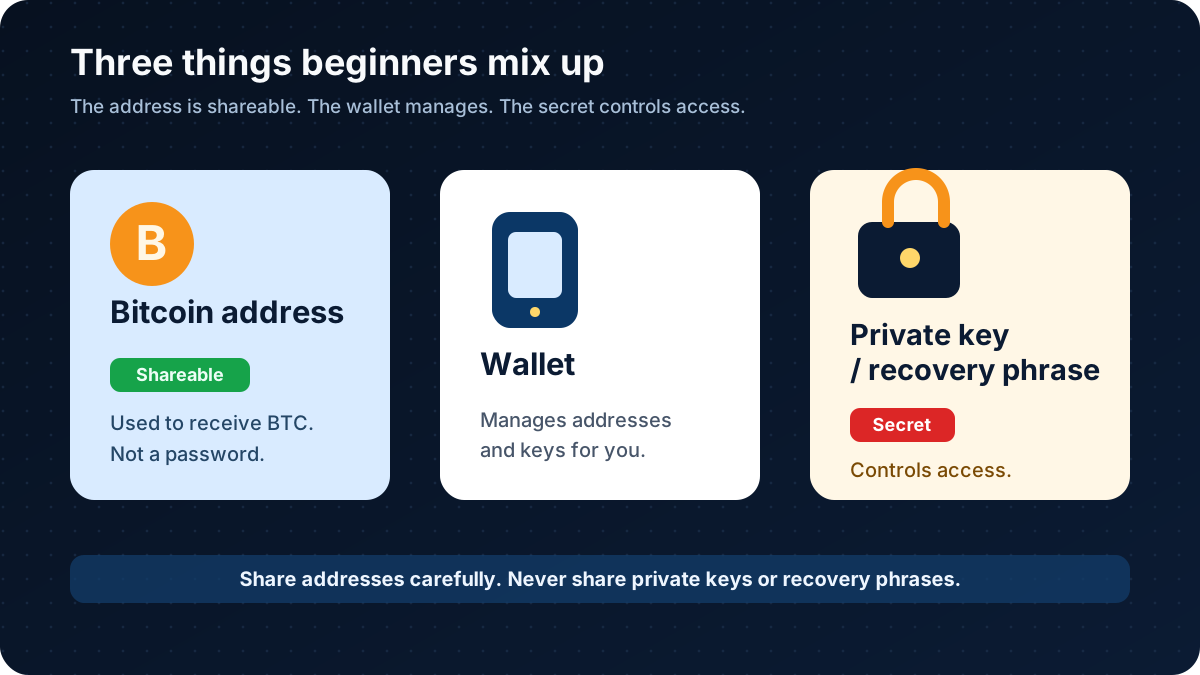
You can share an address, but never share a private key or recovery phrase.
A Bitcoin address is for receiving. You can share it when you want someone or a platform to send BTC to you.
A wallet is the app, hardware device, or platform account that helps manage addresses and keys.
A private key is secret data that can authorize spending. In many modern wallets, a recovery phrase or seed phrase can restore the wallet and recreate many keys and addresses.
The recovery phrase is the dangerous-looking little card that deserves all the seriousness people usually save for passports and house keys. If someone gets it, they may be able to control the funds. If you lose it in a self-custody wallet, you may lose access permanently.
The beginner rule:
Share receiving addresses carefully. Never share private keys, recovery phrases, seed phrases, wallet passwords, or login codes.
How to Get a Receiving Address
If you are wondering how to get a Bitcoin wallet address, the usual path is straightforward: open a wallet or platform that supports Bitcoin, choose Bitcoin or BTC, and tap a button such as Receive, Deposit, or Add funds.
Labels vary by wallet. The idea is the same.
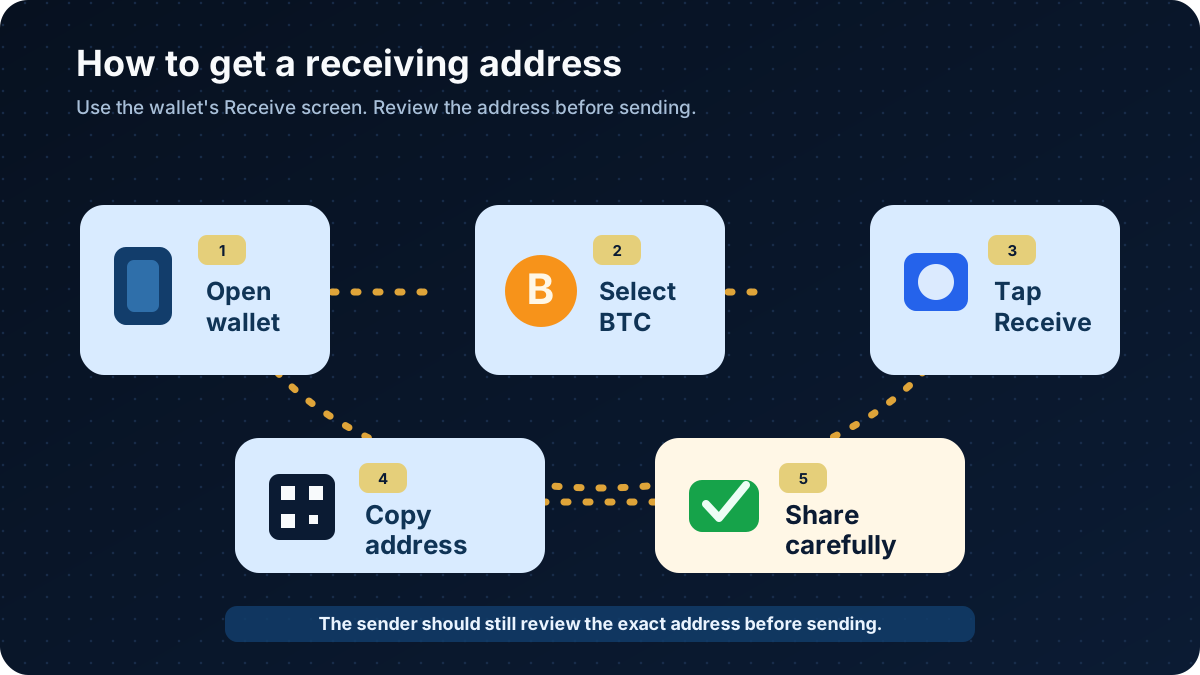
Receiving starts with the wallet's Receive screen, not with guessing an address.
A typical receive flow looks like this:
Open your Bitcoin wallet or platform account.
Select Bitcoin or BTC.
Choose Receive, Deposit, or the current receive option.
Confirm that the asset is Bitcoin, not another coin.
Copy the address or show the QR code.
Share it only with the person or platform sending bitcoin to you.
If you are asking how to get a bitcoin wallet in the first place, there are two broad paths.
A custodial wallet or platform account is managed by a company. Some exchanges and payment apps may provide Bitcoin receive or transfer features for eligible users, depending on current rules, account status, and location. The platform may manage private keys on your behalf.
A self-custody wallet is a wallet where you control the recovery phrase and keys. That gives you more direct responsibility. It also means there may be no recovery desk if you lose the seed phrase, send to the wrong address, or fall for a phishing attempt.
Neither path removes risk. Custodial platforms have account rules, limits, holds, and availability constraints. Self-custody requires careful backups and transaction discipline.
For a beginner, the first useful skill is not choosing a dramatic wallet setup. It is learning to identify the receive screen and slowing down before sending.
Use a Fresh Receiving Address When Your Wallet Provides One
Many modern wallets can create a new receiving address for each payment. Bitcoin Core's getnewaddress RPC, for example, returns a new Bitcoin address for receiving payments.
That does not mean an old address automatically stops working. In many cases, an address can still receive bitcoin more than once.
But address reuse has privacy downsides. Since Bitcoin transactions are visible on a public blockchain, reusing the same address can make it easier for observers to connect separate payments.
So the beginner habit is:
If your wallet gives you a fresh address for a new payment, use the new one.
Do not panic if you have reused an address before. Just understand the tradeoff and follow your wallet's current receive instructions.
Address Formats Beginners May See
Bitcoin addresses do not all look the same. You do not need to memorize the engineering history, but you should know that different-looking addresses can still be Bitcoin addresses.
Common prefixes beginners may see include 1, 3, bc1q, and bc1p.
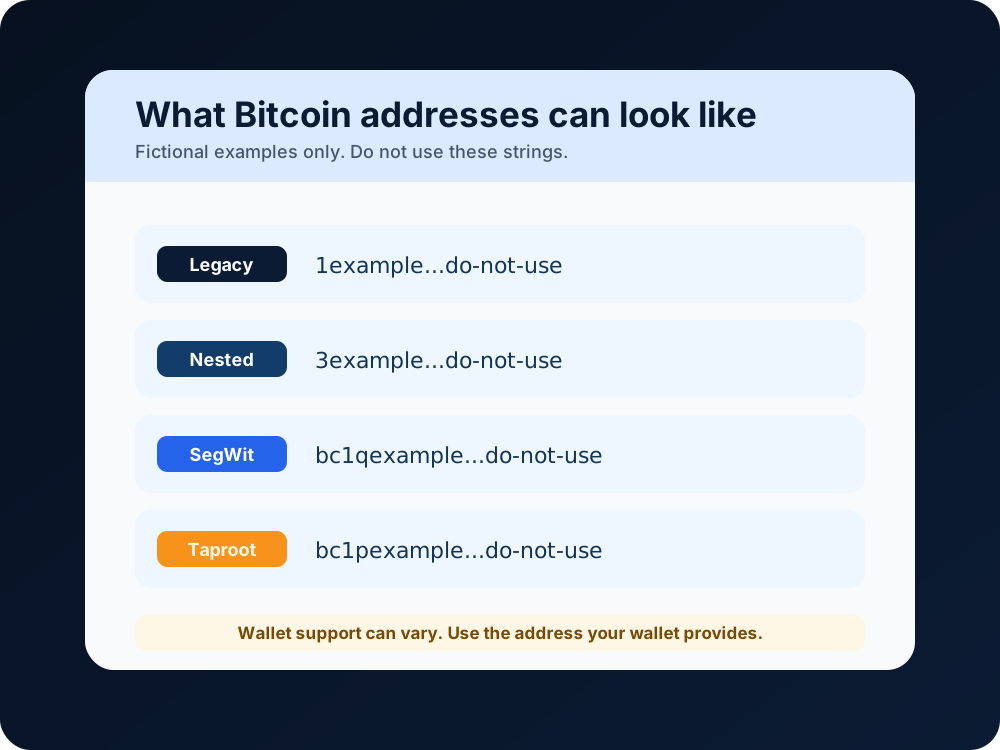
Bitcoin addresses can start differently depending on the address type. These examples are fictional.
These examples are not complete addresses and must not be used. They are only visual examples of format families.
Different wallets and platforms may support different address types. Bitcoin Core documentation has described address type options such as legacy, p2sh-segwit, and bech32; newer software may also support newer formats such as Taproot-style addresses.
For beginners, the lesson is not to pick a format by guessing. Use the address your receiving wallet gives you, and make sure the sending wallet or platform accepts it.
A wallet may reject an address if the format is invalid. Bitcoin address formats also include error-detection features that can catch many copying mistakes.
But do not over-trust that.
A valid address can still be the wrong address. A scammer can give you a valid address. A copied old address can be valid and still be the wrong destination.
The real question before sending is not just:
"Is this a valid Bitcoin address?"
It is:
"Is this the exact address the intended recipient gave me, for Bitcoin, from a trusted screen, right now?"
Copy-Paste and QR Code Safety
Bitcoin addresses are made for machines. Humans are bad at long strings. We see the first few characters, skip the middle, and let the brain announce that everything is probably fine. Bitcoin does not run on "probably fine."
Use copy-paste or a QR code whenever possible.
But copy-paste is not magic. Clipboard malware can alter an address. A fake website can display a fake receiving address. A scammer can send a QR code that points to their own wallet.
So a careful address check looks like this:
Copy the address from the receiving wallet's current screen.
Avoid old screenshots and old message threads when a fresh receive screen is available.
Paste the address into the sending wallet or platform.
Compare the first several characters.
Compare the last several characters.
Confirm that the asset is Bitcoin or BTC.
Confirm that the network or transfer method matches what the receiving wallet supports.
Scan QR codes only from trusted screens.
Do not let someone pressure you through the transaction.
If the amount is meaningful to you and the fee is reasonable, some users choose to send a small test transaction first. That can reduce address anxiety, but it is not free, instant, or always necessary. A test send can add network fees, platform fees, waiting time, and minimum-transfer issues.
Use judgment. The point is not to create ritual. The point is to avoid irreversible mistakes.
Before Sending: Address Checklist
The moment before confirmation is where most address mistakes can still be stopped.
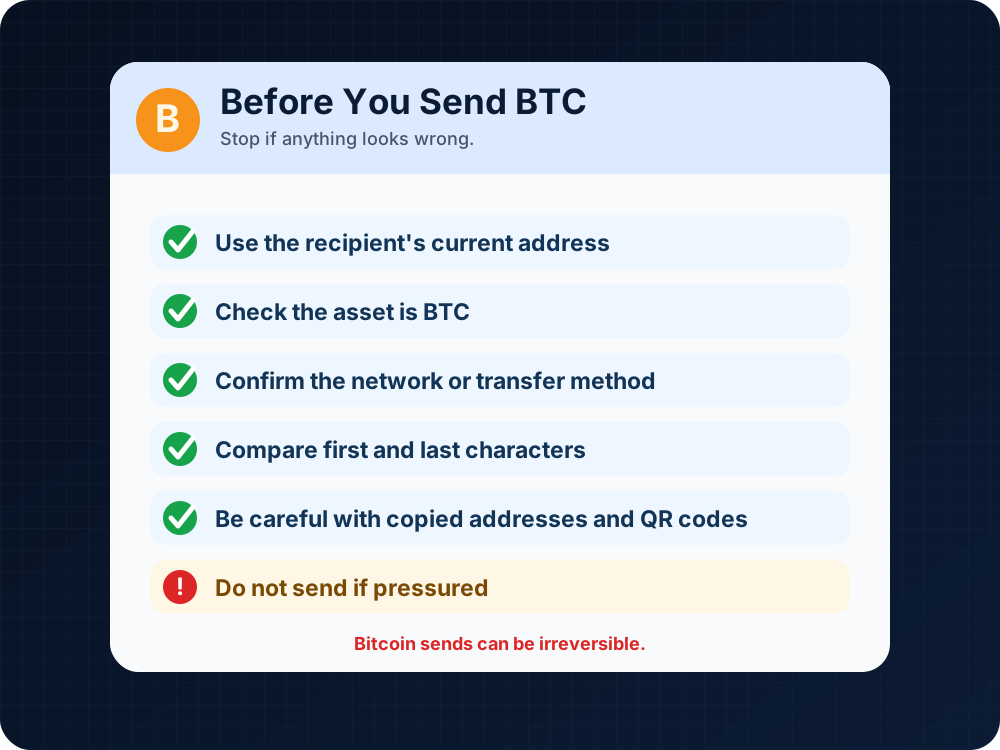
Small address checks matter because Bitcoin transfers can be irreversible.
Before sending BTC, run through this checklist:
Make sure the recipient is asking for BTC, not Bitcoin Cash, another token, or a different network asset.
Is the receiving asset Bitcoin?
Prefer a fresh receive address from the recipient's wallet or platform when possible.
Did the address come from the recipient's current wallet screen?
If the platform rejects the address, do not force it. Check official wallet or platform documentation.
Does your sending platform accept this address format?
You do not need to read every character out loud, but check enough to catch substitution or clipboard problems.
Have you compared the first and last characters?
A QR code is just a machine-readable address. It can still point to the wrong place.
Is the QR code from a trusted screen?
Network fees and platform fees can change. Review the prepared transaction before confirming.
Have you reviewed the amount and fee?
Pressure is a bad sign. Many scams turn a technical action into an emotional emergency.
Are you being rushed?
Bitcoin sends may be irreversible. If you are not sure, pause.
Do you understand what happens after confirmation?
This checklist is short because it needs to survive the moment when your hand is hovering over the confirm button.
Common Beginner Misunderstandings
"If I share my Bitcoin address, someone can steal my Bitcoin."
Sharing a receiving address does not give someone the private key. People need a receiving address to send you bitcoin.
But privacy still matters. Because Bitcoin activity is publicly visible on the blockchain, sharing an address can reveal transaction history connected to that address. If you reuse one address everywhere, your activity may be easier to link.
So the answer is: yes, you can share a receiving address when needed, but do not treat it like a permanent public identity badge.
"My wallet address is my wallet."
The address is one destination. The wallet is the tool that manages addresses and keys.
A modern wallet may create many receiving addresses from one backup seed. That is normal. It does not mean you have a new wallet every time an address changes.
"If an address looks valid, it must be safe."
No. Valid only means the address format may work. It does not prove the owner, source, purpose, or intent.
A scammer can give you a valid address. A fake support agent can give you a valid address. A copied old address can be valid and still be the wrong place to send.
"A BTC wallet address works for every crypto."
It does not. A Bitcoin address is for Bitcoin. Other crypto networks use their own address systems, tags, memos, and transfer rules.
Some apps support many assets in one interface, which makes the screen look simpler than the underlying risk. Always select the correct asset and follow the current deposit or withdrawal instructions.
If you plan to receive BTC into self-custody, also compare whether a cold wallet fits your needs before moving funds.
FAQ
Is BTC wallet address the same as Bitcoin address?
Usually, yes. A BTC wallet address and a Bitcoin address usually mean a receiving address for bitcoin on the Bitcoin network. BTC is the common ticker symbol for bitcoin. Still, check the asset and network shown in your wallet before sending.
Can I share my Bitcoin address?
Yes, you can share a Bitcoin receiving address when you want someone to send bitcoin to you. Do not share your private key, seed phrase, recovery phrase, wallet password, account login, or verification codes. Also remember that address activity can be visible on the public blockchain.
What happens if I send Bitcoin to the wrong address?
If you send bitcoin to the wrong address and the transaction is confirmed, it may be impossible to reverse. If you used a custodial platform, contact that platform's official support, but do not assume recovery is available. The better protection is checking the address, asset, network, amount, and fee before confirming.
What is a wallet address and how do I find it?
A wallet address is a receiving destination for crypto. To find a Bitcoin wallet address, open your wallet, select Bitcoin or BTC, and choose Receive or Deposit. The wallet should show an address and usually a QR code. App labels can change, so follow the current instructions inside your wallet.
How do I get a Bitcoin wallet address?
You get a Bitcoin wallet address by using a wallet or platform that supports Bitcoin. After setup, go to the Bitcoin receive area and display a receiving address. If you use a self-custody wallet, back up the recovery phrase offline before relying on it. If you use a platform, check account eligibility, transfer rules, and current support pages.
Does Robinhood have a crypto wallet?
Robinhood offers crypto transfer features for eligible Robinhood Crypto accounts and also has a separate Robinhood Wallet product. Availability, supported assets, networks, fees, limits, and account requirements can change. Check Robinhood's current official support pages before sending or receiving crypto.
Where is the Bitcoin wallet address on Cash App?
Cash App's Bitcoin help materials describe receiving bitcoin by sharing a Bitcoin address or QR code from the Bitcoin area of the app. In practice, open Cash App, go to the Bitcoin section, and look for Receive, Deposit, or the current receive option. Cash App can change its interface and eligibility rules, so use the current app screen and official Cash App help pages.
Can I reuse the same Bitcoin address?
In many cases, an address may still receive bitcoin more than once. However, using a fresh receiving address when your wallet provides one is generally better for privacy. Reusing addresses can make it easier to connect payments on the public blockchain.
Is my Bitcoin address the same as my private key?
No. Your Bitcoin address is for receiving. Your private key is secret data that can authorize spending. Your seed phrase or recovery phrase can restore wallet access and should never be shared. If someone asks for your recovery words, treat that as a serious warning sign.
Risk Disclaimer
This article is for beginner education only. It is not financial, investment, tax, legal, or security advice. SatoABC does not tell readers to buy Bitcoin, use a specific wallet, or use a specific platform.
Bitcoin transactions can involve price risk, network fees, platform limits, account reviews, and irreversible transfers. Wallet features, supported address formats, fees, limits, and regional availability can change. Always check your wallet or platform's current official instructions before sending or receiving bitcoin.
Never share your private key, seed phrase, recovery phrase, wallet password, account login details, or verification codes. If someone pressures you to send bitcoin quickly, asks for recovery words, or promises certain profit, stop and verify through official channels.
Editorial Attribution
Written by Alex Chen. Reviewed by Jordan Blake for factual accuracy, clarity, and beginner safety.